
Last updated November 4, 2026
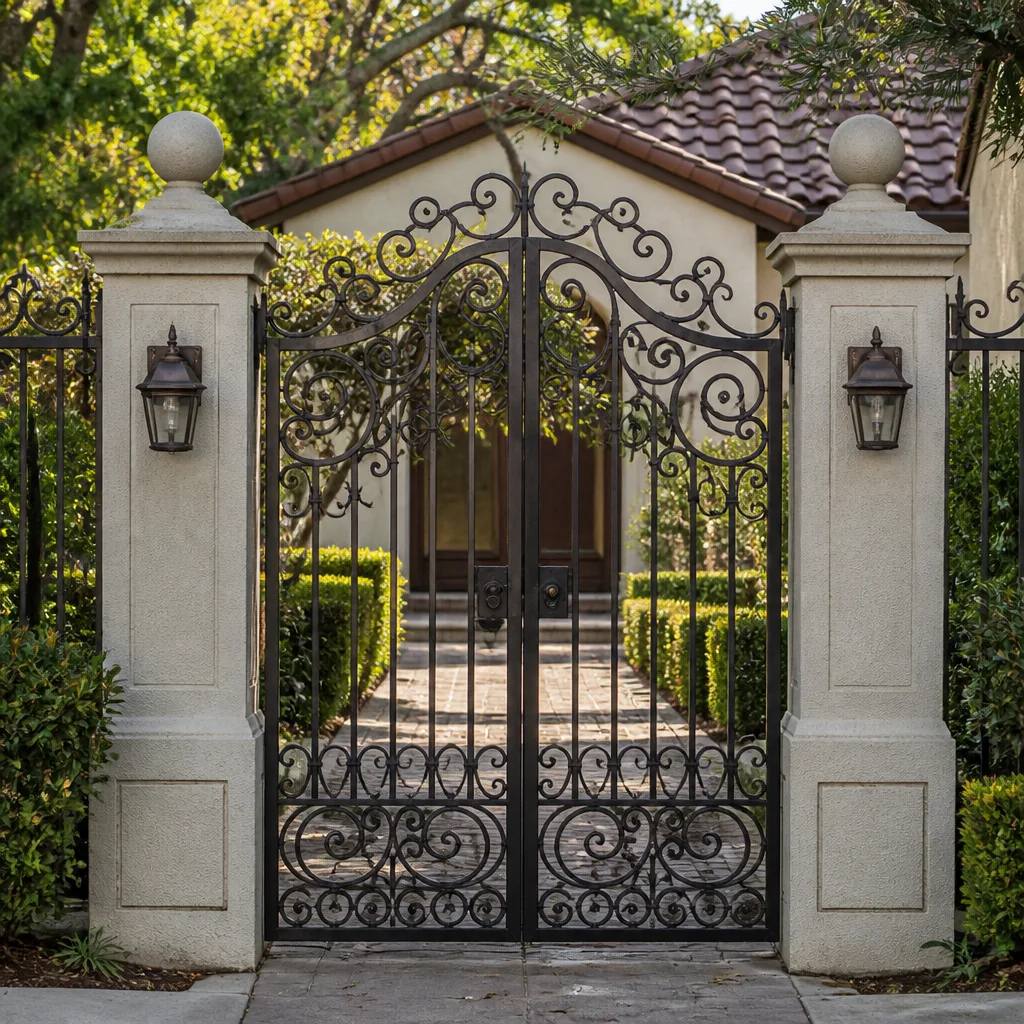 Wrought iron
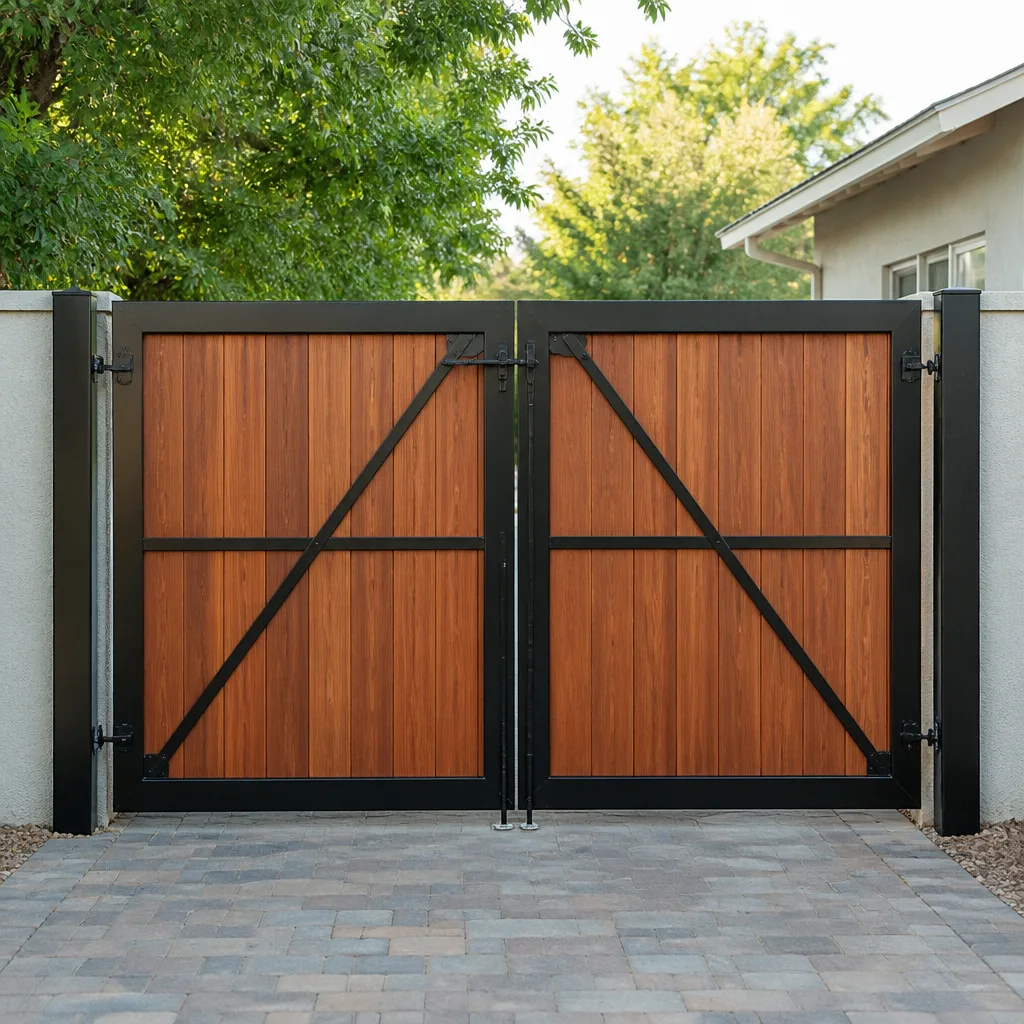 Wood & steel frame
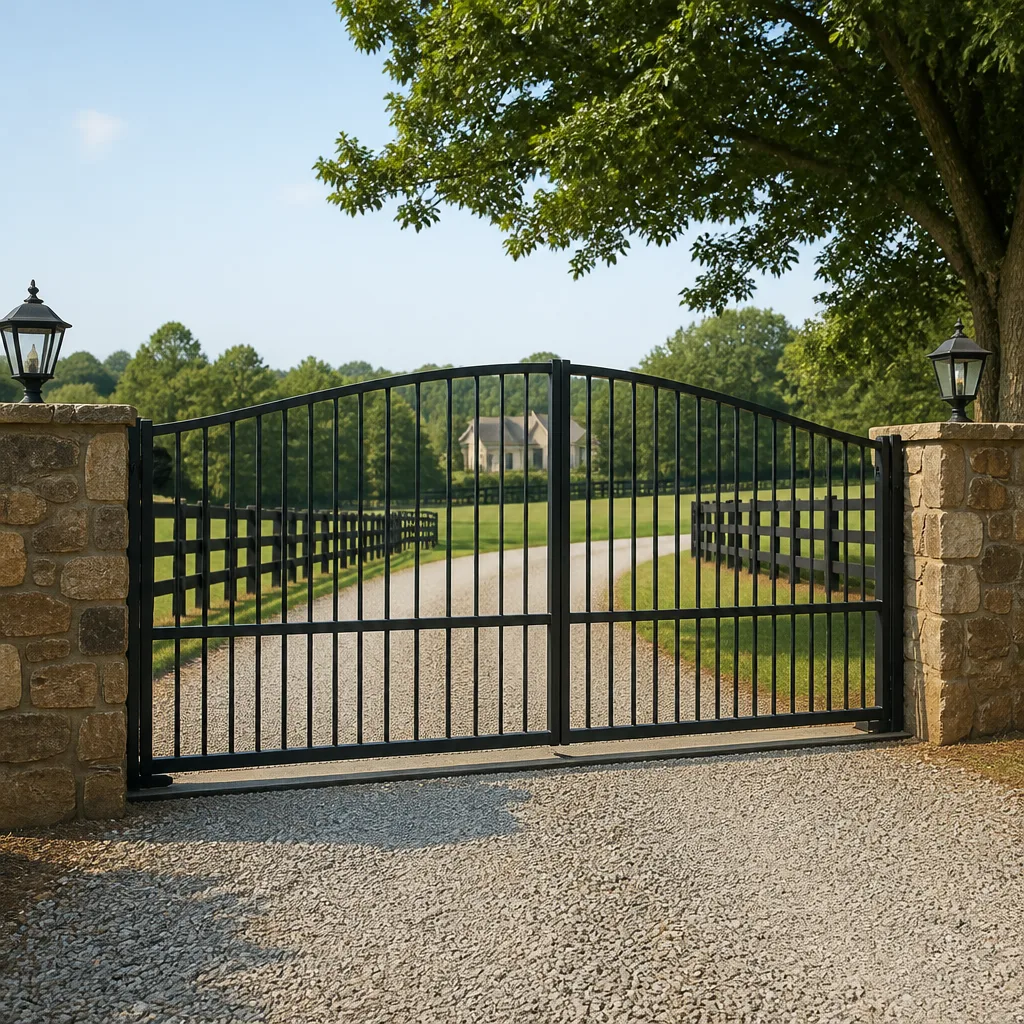 Farm & ranch
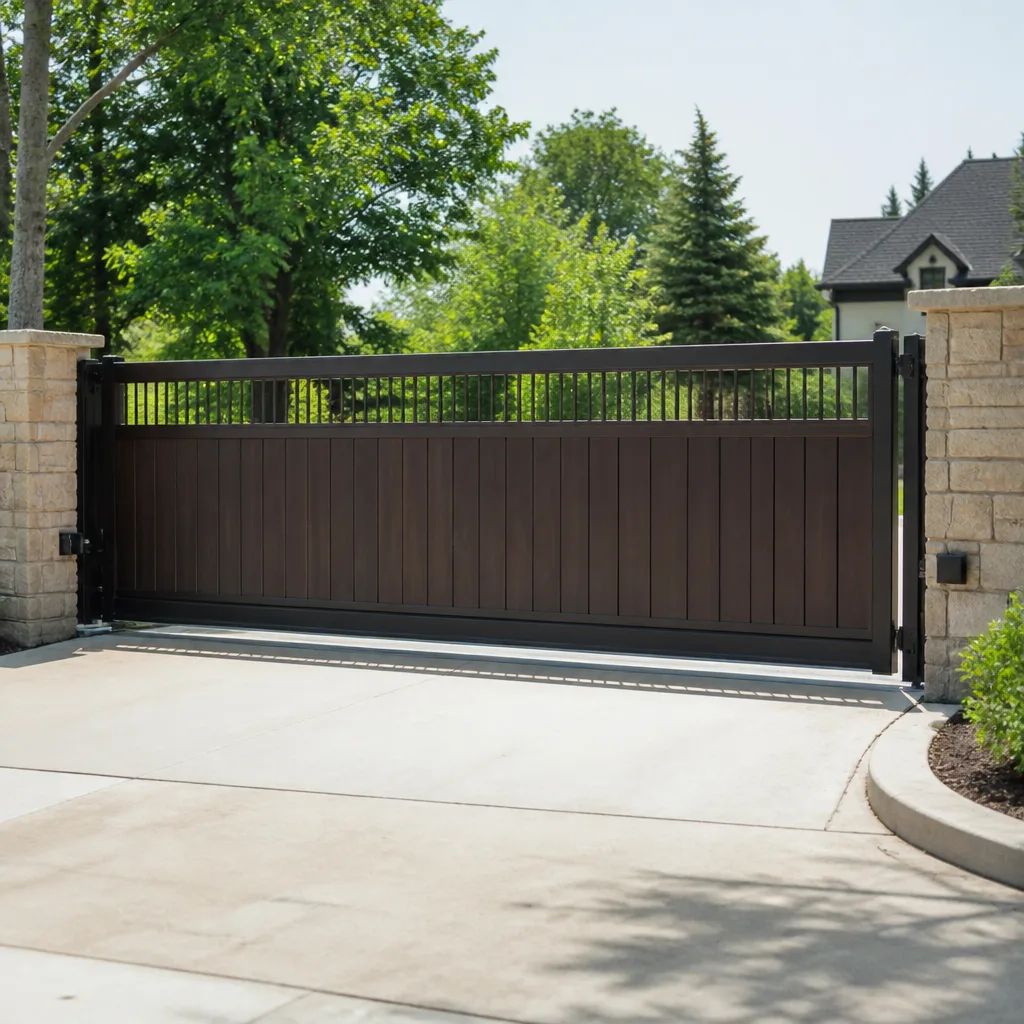 Sliding driveway gates
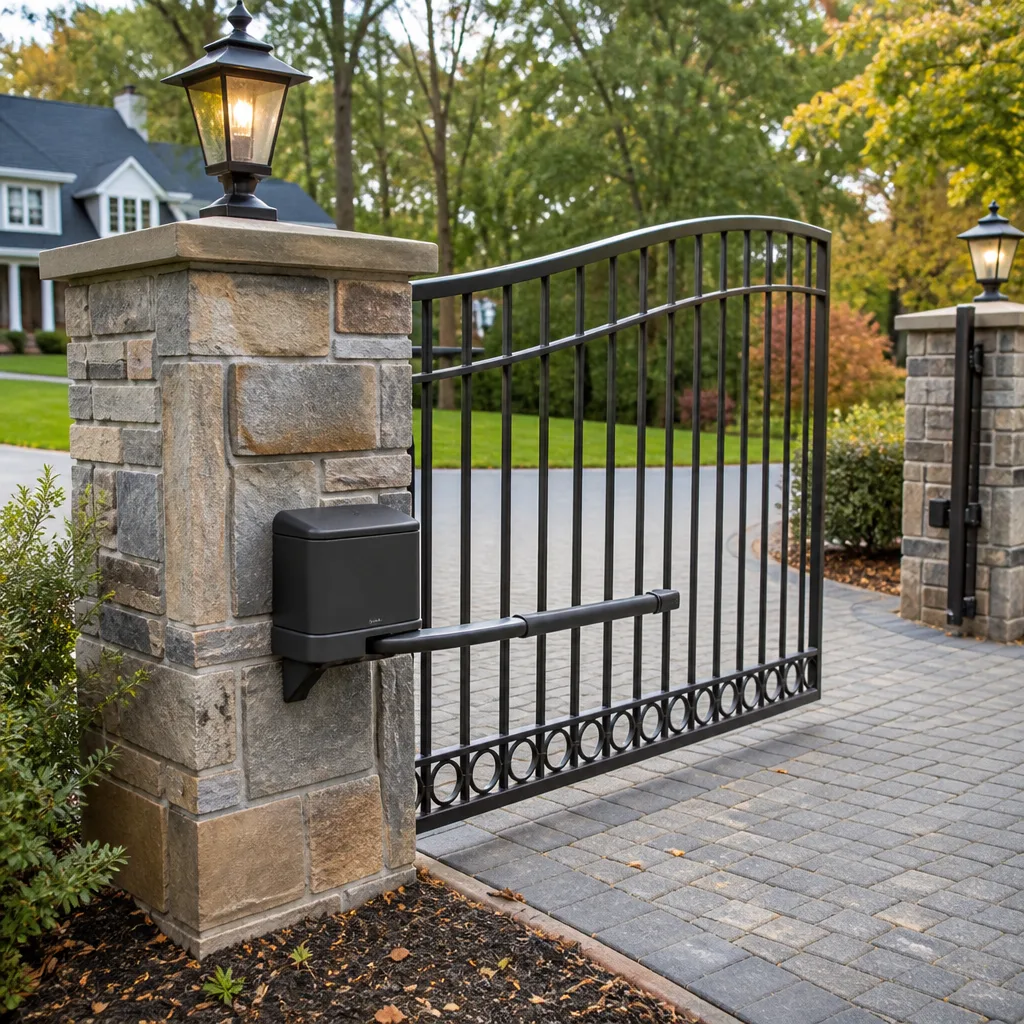 LiftMaster operators
Free on-site gate assessment - hinges, posts, and your LiftMaster or Nice gate operator checked before anything is quoted
The assessment is free and the quote is the invoice.
Get your free estimateGate Repair Permits, Codes & Inspections in Evergreen, CA: What You Need to Know
Most Evergreen homeowners assume a gate repair is a gate repair, whether you’re swapping a hinge or replacing an entire operator. That assumption is where liability starts. Under Santa Clara County building codes and California’s adoption of UL 325, the line between “repair” and “replacement” determines whether you need a permit, an inspection, or both. This guide walks through exactly where that line sits in Evergreen, what inspectors actually check on automated gate systems, and how HOA rules layer on top of county requirements. No invented scenarios, no fear-mongering. Just the regulatory reality as it applies to residential and commercial gates in this part of San Jose.
Quick Answer
Routine gate repairs in Evergreen, California typically do not require a permit when you’re replacing like-for-like hardware without altering the electrical system or structural posts. Replacing a gate operator, adding a new automated system, or installing a new gate on a new footing usually does require a permit through Santa Clara County or the City of San Jose, depending on your exact address. Automated gates must also meet UL 325 entrapment protection standards regardless of permit status, because non-compliance can void insurance coverage after an injury claim.
Styles & brands we work with
- Wrought iron
- Wood & steel frame
- Farm & ranch
- Sliding driveway gates
- LiftMaster operators
Table of Contents
- Repair vs. Replacement: Where the Permit Line Actually Sits
- UL 325 in Plain English: What Evergreen Gates Must Have
- HOA Approval vs. County Permits: When You Need Both
- What a Gate Inspection Actually Covers in Evergreen
- The Liability Reality: Unpermitted Gate Installations and California Injury Claims
- Electric Gate Work vs. Mechanical Repairs: Why the Distinction Matters
- Step-by-Step: Getting a Gate Permit in Evergreen
- Common Mistakes to Avoid
- When to Call a Professional
- Frequently Asked Questions
Repair vs. Replacement: Where the Permit Line Actually Sits
Here’s the distinction that matters most in Evergreen, and the one most contractors gloss over. A repair keeps the gate system fundamentally as it was. You replace a worn roller, a damaged hinge, a failing keypad, or a circuit board with an equivalent part. The gate’s footprint, electrical draw, and safety system stay unchanged. In almost every case, Santa Clara County does not require a permit for that work.
A replacement, by contrast, changes the system. You swap a manual gate for an automated one. You replace an old operator with a new model that draws more current. You set new posts, pour new footings, or widen the driveway opening. Any of those triggers the building permit process. The reason is simple: once you alter the electrical load or the structural support, you are creating a new installation in the eyes of the code, not maintaining an existing one.
We see this confusion constantly. A homeowner in the Evergreen foothills replaces a 20-year-old swing gate operator with a modern unit, assumes it’s maintenance, and skips the permit. Two years later they list the house, and the unpermitted electrical work shows up on the disclosure. Now they’re retroactively pulling permits or negotiating with a buyer. The permit is cheaper than the headache.
What Counts as Repair (No Permit)
- Replacing a cracked hinge or worn roller on an existing gate
- Swapping a failed keypad or remote receiver with an equivalent unit
- Rebalancing a sagging gate leaf on existing hinges
- Replacing a damaged gate wheel or track section
- Adjusting existing limit switches or safety sensor alignment
What Counts as Replacement or New Installation (Permit Required)
- Installing an automated operator on a gate that was previously manual
- Replacing an operator with a different voltage or amperage class
- Setting new gate posts or pouring new concrete footings
- Installing a new slide gate track that alters the driveway surface
- Adding entry/exit loop detectors that require cutting into pavement
The practical takeaway: if the work touches concrete, electrical service, or the gate’s fundamental structure, call the City of San Jose Building Division or the county and ask. The question costs five minutes. Skipping it can cost thousands.
UL 325 in Plain English: What Evergreen Gates Must Have
UL 325 is the federal safety standard governing automated gate operators, and it has been adopted into California law. The standard was written after a series of entrapment tragedies involving automatic gates, and it specifies exactly what entrapment protection a gate system must include based on how the gate moves. This matters in Evergreen because older gates in established neighborhoods like Silver Creek and The Ranch frequently predate the current UL 325 requirements, and a replacement operator pushes the entire system into current compliance.
The standard divides automated gates into two primary categories with different requirements:
- Swing gates. These move in an arc and create entrapment zones at the hinge post, the latch post, and anywhere the gate leaf passes near a fixed object. UL 325 requires entrapment protection devices at each pinch point: photo eyes, contact edges, or both, depending on the gate’s speed and force.
- Slide gates. These move linearly along a track. The entrapment zones are at the leading edge, the trailing edge, and any point where the gate passes within a few inches of a wall or fence. Slide gates require contact edges on the leading and trailing edges, plus photo eyes in most configurations.
Here’s what most Evergreen homeowners don’t realize: a UL 325 sticker on the operator is not enough. The standard applies to the entire installed system, including the sensors, the force settings, the signage, and the physical gate itself. An operator that meets UL 325 but is installed without the required photo eyes or contact edges on a specific gate is non-compliant. The inspector checks the system, not the box the operator came in.
Older operators that predate current UL 325 thresholds may not pass inspection if you alter the system. If your gate was installed in the 1990s and still runs its original controls, a replacement operator may trigger a requirement to bring the whole gate into current compliance. Brands like Ghost Controls and Mighty Mule build residential operators that meet current UL 325 standards out of the box, but field installation still determines whether the finished system passes. We’ve worked on Evergreen gates where the operator was compliant and the installation wasn’t, and the homeowner had no idea until an inspector flagged it.
HOA Approval vs. County Permits: When You Need Both
Evergreen sits within San Jose’s city limits, but large portions of the area are governed by homeowner associations that layer their own approval process on top of county and city building permits. This dual requirement catches people off guard. A homeowner assumes the county permit is the only hurdle, replaces a gate, and then receives an HOA violation letter because the new gate doesn’t match the community’s architectural standards.
The sequence matters. In most Evergreen HOAs, you need design review approval before you pull the building permit. The HOA cares about aesthetics, height, materials, and consistency with the neighborhood. The county cares about safety, structural integrity, and electrical compliance. They are separate approvals with separate timelines, and neither substitutes for the other.
For gate work, the HOA trigger is usually any visible change to the gate structure or its operator. A like-for-like repair that leaves the gate looking identical rarely requires HOA approval. A new gate, a different gate style, a new color, a taller gate, or a change from swing to slide will almost always require it. Some Evergreen HOAs also restrict gate automation itself, particularly in communities that share access roads or have specific sound ordinances.
The practical order in Evergreen:
- Check your HOA’s CC&Rs and design-review requirements first.
- Get written HOA approval for any visible or structural change.
- Pull the building permit from the City of San Jose or Santa Clara County.
- Complete the work with a licensed contractor.
- Pass the building inspection.
- Provide the HOA with completion documentation if required.
Skipping step one doesn’t just create a compliance issue. Some HOAs can force you to remove or modify a non-approved gate at your own expense, even if the county permitted it. That’s a double-cost scenario nobody wants.
What a Gate Inspection Actually Covers in Evergreen
If your gate project requires a permit, the inspection is not a formality. The inspector from the City of San Jose or the county is checking specific things, and understanding the checklist ahead of time prevents failed inspections and rework. Here’s what an automated gate inspection in Evergreen typically covers, based on what the code requires for automated gate systems.
The Inspector’s Checklist
- Entrapment protection devices. Photo eyes and contact edges installed at every required location for the gate type, functioning correctly, and wired so that obstruction reverses the gate.
- Force and speed settings. The gate must stop and reverse with minimal force. Inspectors check that the operator’s force settings are adjusted within UL 325 limits, not cranked up to push through resistance.
- Electrical wiring. Conduit, junction boxes, disconnects, and grounding must meet California Electrical Code. Exposed Romex, missing disconnects, or buried cable without proper conduit are common failure points.
- Gate structure. Posts must be properly set in concrete footings, the gate must be square and balanced, and the hinges must support the gate without binding.
- Warning signage. Automated gates require specific warning signs placed on both sides of the gate, visible at a minimum distance. Missing signage is an automatic correction notice.
- Manual release. The gate must have a functional manual release accessible from the outside for emergency access by fire and police.
What most contractors submit versus what inspectors actually check are two different things. A contractor may submit a one-line description of the work and a basic site plan. The inspector is looking at entrapment zones, force settings, and signage. Discrepancies between those two levels of detail are the most common reason a gate inspection fails in Evergreen on the first pass.
We recommend confirming the full UL 325 compliance checklist before the inspector arrives, not after. When we handle electric gate repair in Evergreen that involves a permit, we walk through every item on this list with the homeowner before the inspection so there are no surprises.
The Liability Reality: Unpermitted Gate Installations and California Injury Claims
Here’s the part of this conversation most people avoid, and it’s the most important thing in this entire guide. If an unpermitted gate installation injures someone in California, the homeowner faces a significantly more difficult legal position than they would with a permitted, inspected system. This is not speculation. California personal injury law treats building code violations as evidence of negligence, and unpermitted electrical work compounds the exposure.
The connection to insurance is direct. Most homeowner policies contain language about illegal or unpermitted construction. If a gate injures a visitor, a delivery driver, or a child, and the gate was installed without a required permit, the insurer may investigate the installation before settling. A non-compliant UL 325 system, especially one missing entrapment protection devices, gives the insurer grounds to deny coverage or limit the claim. The homeowner is then personally exposed.
This matters specifically in Evergreen because automated gates are common here. Gated driveways in communities like The Ranch and the hillside properties east of Evergreen Valley College see regular use from delivery vehicles, landscapers, and guests. Each of those interactions is a potential entrapment or impact event if the gate system is not properly protected.
The takeaway isn’t that every gate injury leads to a lawsuit. It’s that the permit and inspection process exists partly to protect you from exactly this exposure. A permitted, inspected gate installation documents that the system met current safety standards on the date it was installed. That documentation becomes your defense if something goes wrong later.
DoorKing and Elite operators, which are common on commercial and estate properties in Evergreen, are built to meet current UL 325 standards. But even the best operator cannot protect you if it was installed without the required entrapment devices or without a permit. The system is only as defensible as its documentation.
Electric Gate Work vs. Mechanical Repairs: Why the Distinction Matters
Permit requirements in Evergreen hinge heavily on whether the work is mechanical or electrical. A mechanical repair replaces hardware: hinges, rollers, wheels, track sections, bolts. These repairs don’t touch the electrical system, and they generally don’t require a permit.
An electric repair or any work on the operator itself is different. The moment you’re pulling wire, changing voltage, replacing a transformer, adding a loop detector, or swapping an operator, you’re doing electrical work. California’s permit requirements for electrical work apply to gates just as they apply to any other electrical installation. The question isn’t whether the work is on a gate. The question is whether the work alters the electrical system.
This distinction is why some Evergreen gate repairs are permit-free while others are not. A homeowner can replace a broken hinge without anyone at the city needing to know. The same homeowner replacing a 120-volt operator with a new unit that requires a dedicated circuit will need an electrical permit.
The same logic applies to low-voltage systems. Many residential operators from Mighty Mule and Ghost Controls run on low-voltage DC power from a transformer. Low-voltage work is sometimes exempt from permit requirements, but California has tightened those exemptions. If the transformer connects to line voltage and the cable runs underground from the house to the gate, most jurisdictions want to see it permitted.
Our team at Atlas Gate Repair handles both sides of this line every week in Evergreen. The mechanical repairs move quickly. The electrical work gets documented properly. That split approach keeps simple repairs simple and makes sure the projects that need permits actually get them.
Step-by-Step: Getting a Gate Permit in Evergreen
Every gate permit project in Evergreen follows roughly the same sequence, whether you’re installing a new automated gate or replacing an operator that triggers the requirement. Here’s the process in the order it actually happens.
- Determine jurisdiction. Check your exact address. Most Evergreen addresses fall under the City of San Jose Building Division. Some parcels, particularly in unincorporated pockets, fall under Santa Clara County. The wrong jurisdiction wastes your application.
- Confirm permit need. Describe the work honestly to the building department. If the answer is “no permit needed,” ask for that in writing or note the name of the person you spoke with. Verbal confirmation protects you from a future code enforcement question.
- Check HOA requirements. If your property is in an HOA, get design review approval in writing before applying for the permit. The HOA approval doesn’t replace the permit, but it should come first.
- Prepare the plan. A simple gate replacement usually needs a site plan showing the gate location, the electrical connection point, and the entrapment protection layout. More complex installations may need engineered drawings. Your contractor should handle this.
- Submit the application. The building department reviews the scope, the electrical plan, and the UL 325 compliance approach. Review times vary by jurisdiction and current backlog.
- Schedule rough inspections if required. For new footings or underground electrical runs, the inspector checks the work before concrete is poured or trenches are backfilled.
- Complete the final inspection. Once the gate and operator are installed, the inspector checks the full UL 325 compliance list: entrapment devices, force settings, signage, manual release, and electrical connections.
- Keep the documentation. The approved permit and inspection record go in your permanent property file. You’ll need them if you sell the house or if an incident ever occurs.
The process sounds bureaucratic, but for a routine automated gate installation in Evergreen it usually resolves in a few weeks. The time varies with the jurisdiction and the complexity of the installation.
Common Mistakes to Avoid
- Assuming an operator swap is always a repair. In Evergreen, replacing a failed operator with a different model often counts as a new installation under local code, especially if the voltage class or mounting changes. Ask before you assume.
- Skipping the HOA review because you got a county permit. The county permits safety. Your HOA approves aesthetics. Both matter in Evergreen, and neither covers the other’s requirements. Skipping one is a separate violation with separate remedies.
- Running gate wiring without conduit. Buried cable for gate operators must be in conduit under the California Electrical Code in most configurations. Direct-burial cable that a handyman installed is a common inspection failure.
- Ignoring the UL 325 signage requirement. Automated gates need specific warning signs on both sides. It’s a five-dollar fix on the front end and an automatic correction notice on the back end.
- Setting the operator’s force too high. When a gate binds, the lazy fix is to crank up the force setting so the gate pushes through. That exactly violates UL 325 and creates a real entrapment hazard. Fix the binding, don’t mask it.
- Not documenting verbal “no permit needed” confirmations. Building department staff change. If someone told you a permit wasn’t required and that’s questioned later, a name and date is your only protection.
- Assuming a newer house means a compliant gate. Homes built in Evergreen in the last decade may still have gate systems installed without permits or without proper entrapment protection. The house’s age doesn’t guarantee the gate’s compliance.
When to Call a Professional
Some gate work in Evergreen is genuinely DIY-appropriate: replacing a remote battery, lubricating hinges, tightening a sagging panel. The projects that involve permits, electrical wiring, or UL 325 compliance are not. We’ve seen too many homeowners start a gate automation project, discover the regulatory layer mid-project, and end up paying more to fix a non-compliant installation than the original project cost. A gate specialist evaluates the whole system: the operator, the entrapment protection, the electrical feed, the structure, and the permit path. That single-trade focus matters. A general contractor may not know a DoorKing from a FAAC, and that gap shows up in missed entrapment zones and failed inspections. Atlas Gate Repair offers free estimates in Evergreen. Call (833) 589-9356 and we’ll tell you exactly what your gate project needs before any work starts.
Frequently Asked Questions
Most routine gate repairs in Evergreen do not require a permit, as long as the work is mechanical and like-for-like, such as replacing a hinge, roller, or keypad. Repairs that alter the electrical system, replace the operator with a different model, or change the gate structure typically do require a permit through the City of San Jose or Santa Clara County. Call (833) 589-9356 for a free assessment of your specific gate, and we’ll tell you exactly where your project falls.
UL 325 is the federal safety standard for automated gate operators, adopted into California law, that sets entrapment protection requirements for swing and slide gates. It matters because a non-compliant gate system can void insurance coverage after an injury claim and creates real safety hazards for anyone who uses your driveway. Compliant systems include the right photo eyes, contact edges, force settings, and warning signage for your specific gate type.
Many Evergreen neighborhoods are governed by HOAs that require design review approval for visible gate changes, including new gates, different styles, or changes from swing to slide. HOA approval is separate from the county building permit, and in most cases the HOA approval should come first. Check your CC&Rs before any gate project that changes how the gate looks or operates.
An automated gate inspection in Evergreen typically covers entrapment protection devices, operator force settings, electrical wiring and conduit, gate structure and footings, warning signage, and the manual release mechanism. Each of these items has specific code requirements, and missing even one can fail the inspection. A thorough contractor walks the checklist before the inspector arrives.
You can physically install a gate operator yourself, but doing so without addressing permit requirements, electrical code, and UL 325 compliance creates liability exposure and may fail a later inspection. Operators from brands like Mighty Mule and Ghost Controls include installation instructions, but the instructions don’t override California electrical code or local permit requirements. A licensed contractor ensures the entire system, not just the operator, meets current standards.
Gate permit fees in Evergreen vary by project scope and jurisdiction, and the written estimate from your contractor should account for the permit cost as part of the job. The permit fee is typically a small fraction of the total project cost, and skipping it creates downstream costs that can dwarf the fee itself. For an exact breakdown on your project, call (833) 589-9356. We answer 24/7. Fast dispatch from 7am to 7pm, Sunday through Friday.
The Bottom Line
Gate permits in Evergreen aren’t bureaucratic theater. They’re the mechanism that documents your automated gate meets UL 325 safety standards, California electrical code, and local building requirements. The line between repair and replacement is the threshold that matters most, and most homeowners draw it in the wrong place. If you’re replacing an operator, installing a new automated system, or altering gate structure, check with the City of San Jose or Santa Clara County before work starts. Check your HOA separately. Document everything. And when the work involves electrical wiring or entrapment protection, get a gate specialist who already knows the brands and the code. The permit protects you, and the inspection proves you did the work right.
Written by the team at Atlas Gate Repair, serving Evergreen since 2017.
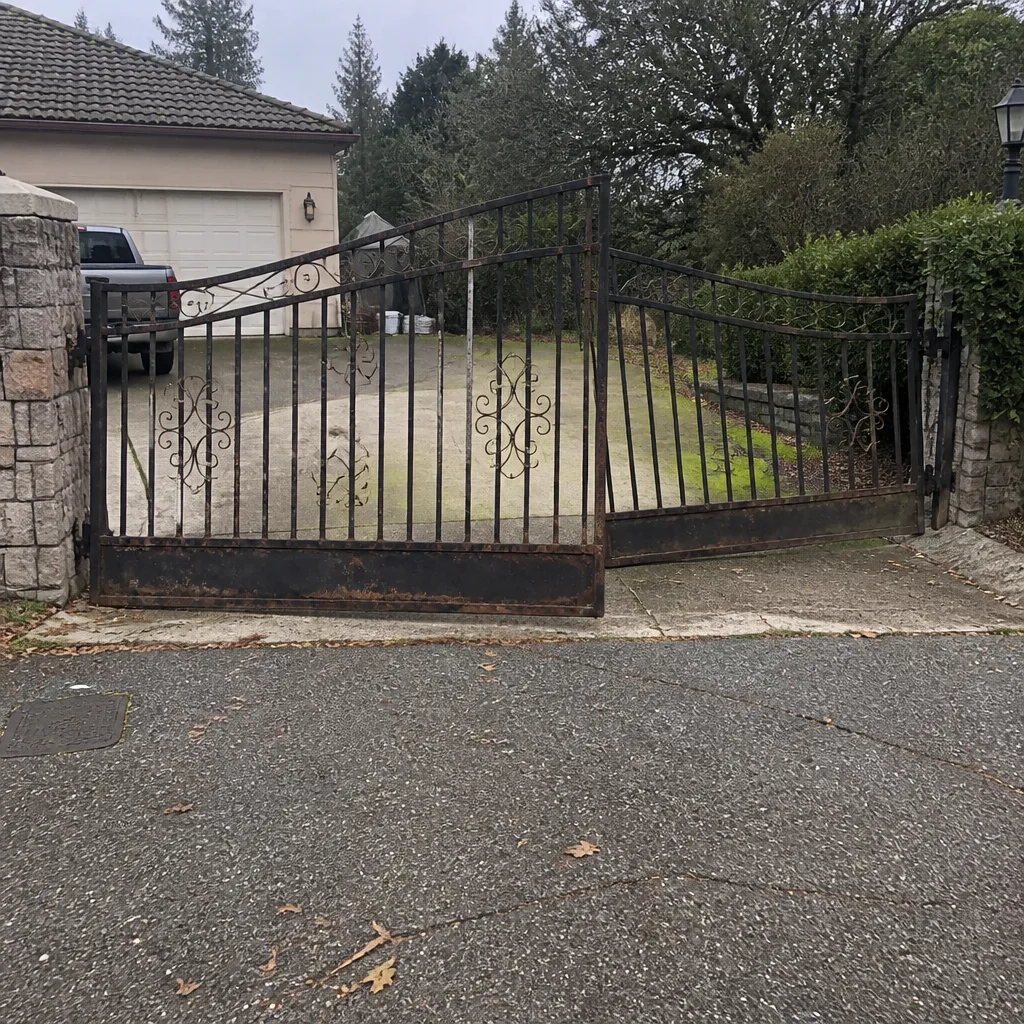
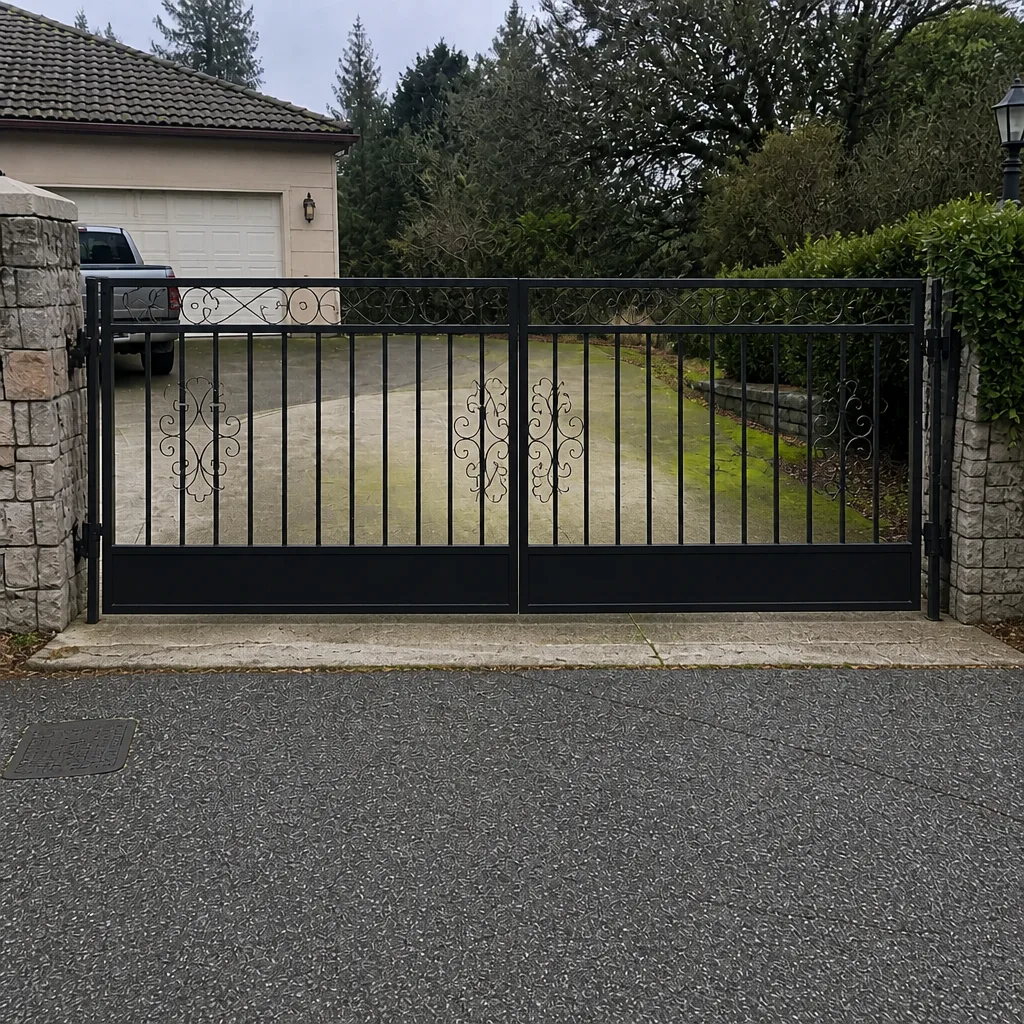
See the difference
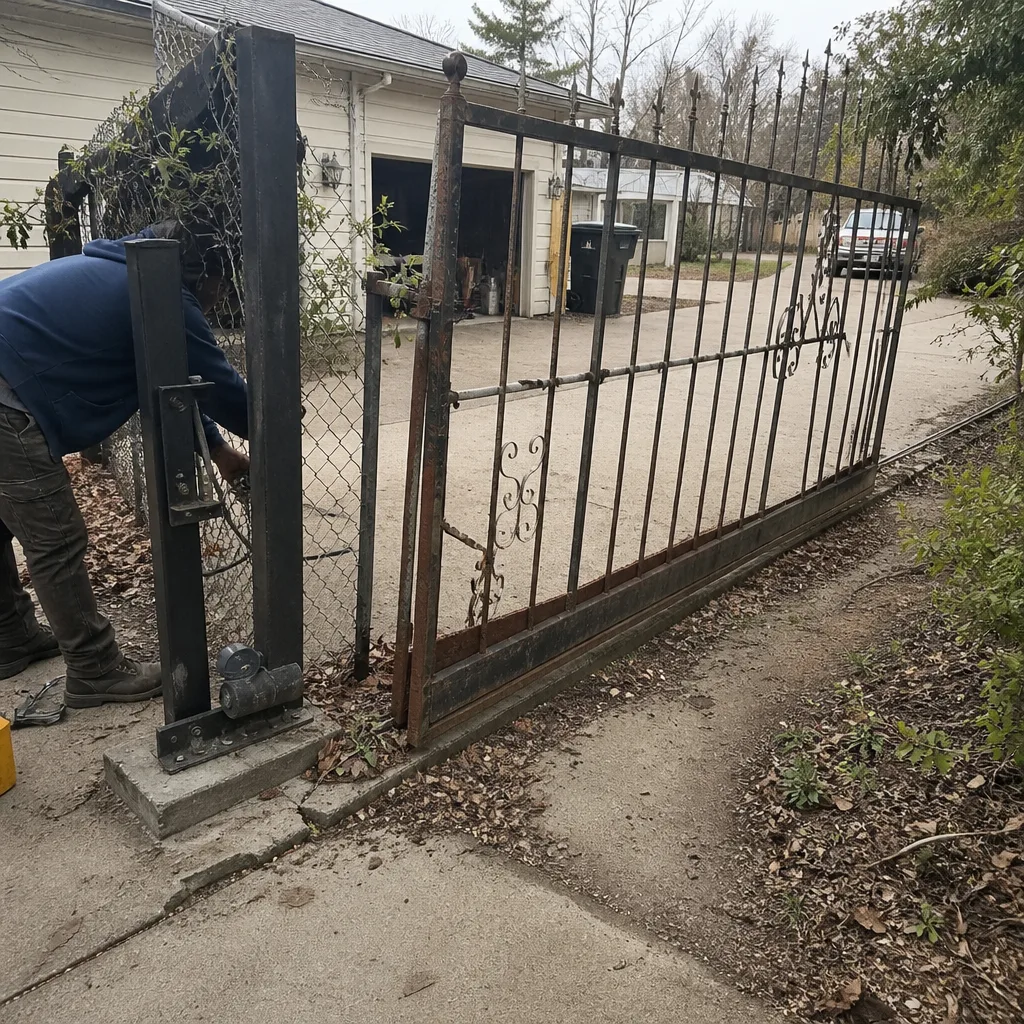 Before
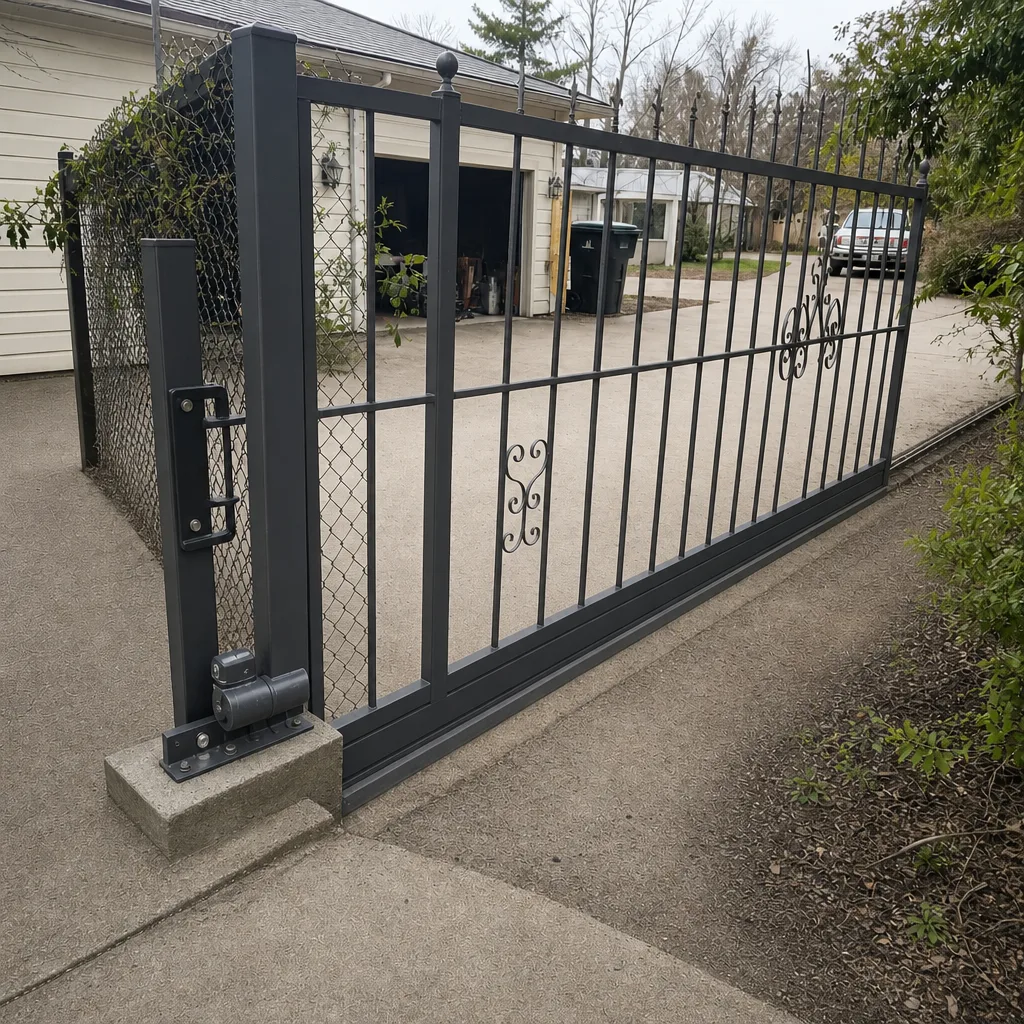 After
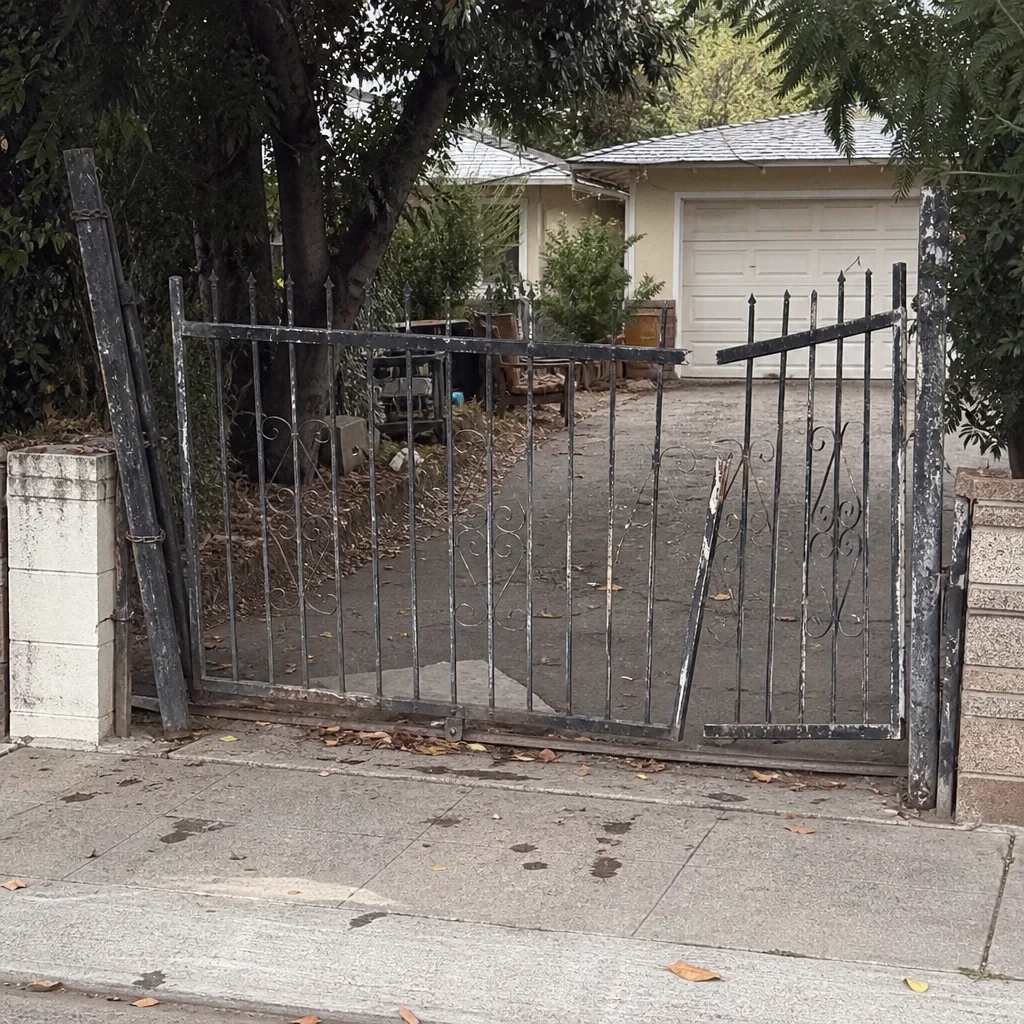 Before
 After
 Before
 After