
Last updated November 4, 2026
 Wrought iron
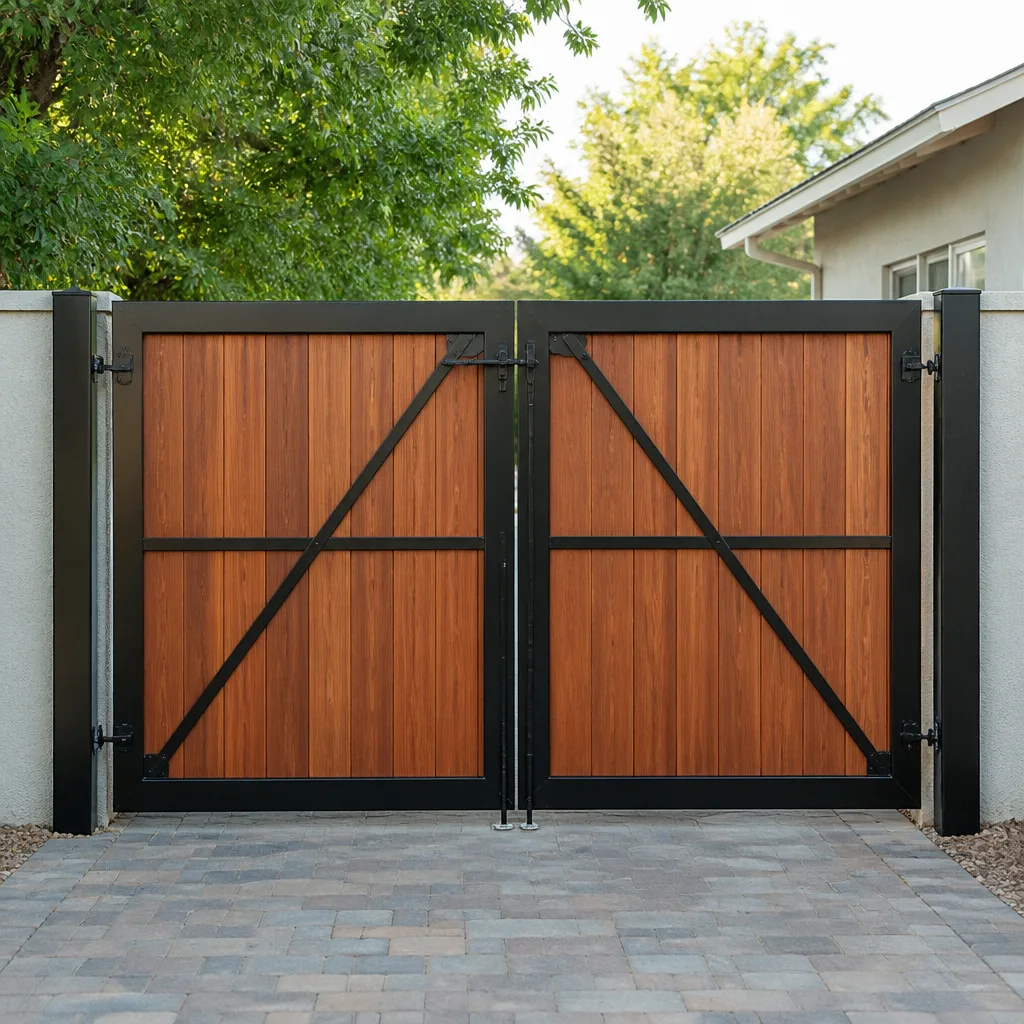 Wood & steel frame
 Farm & ranch
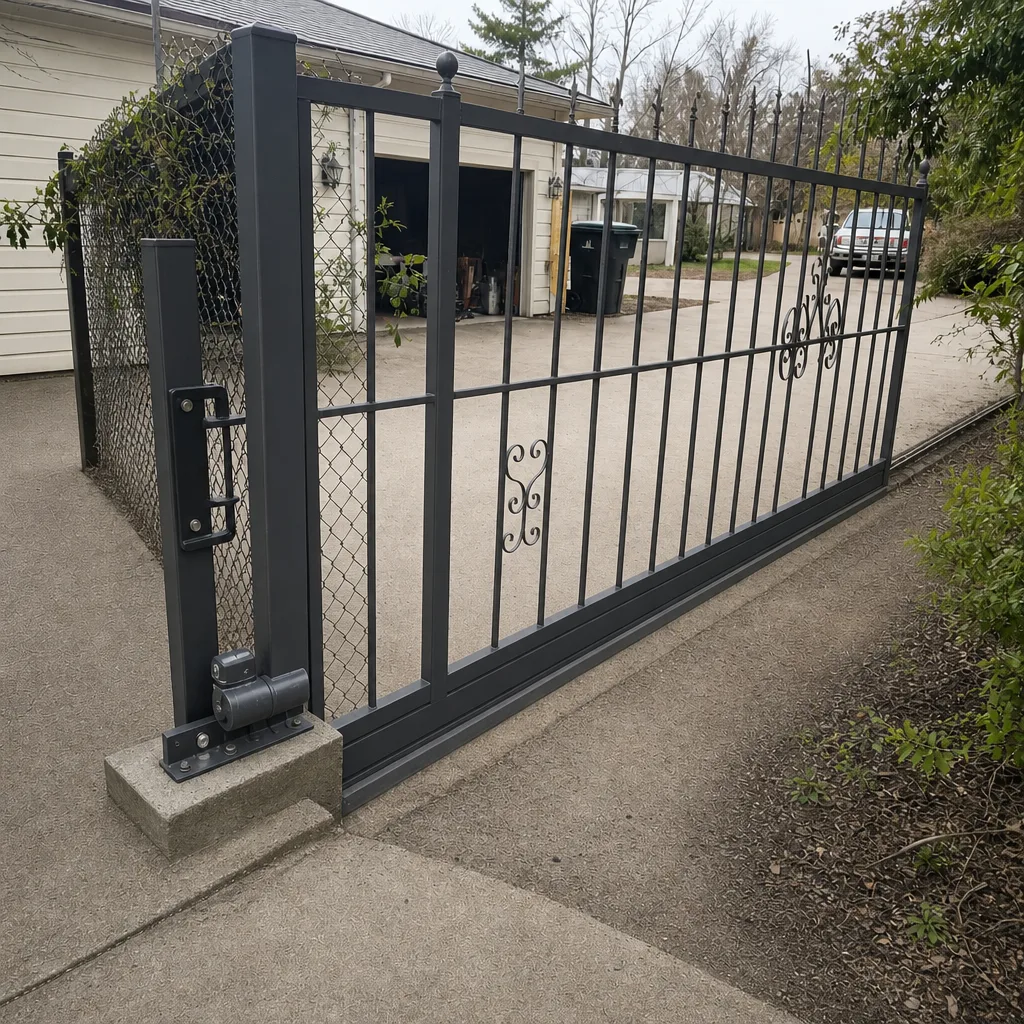
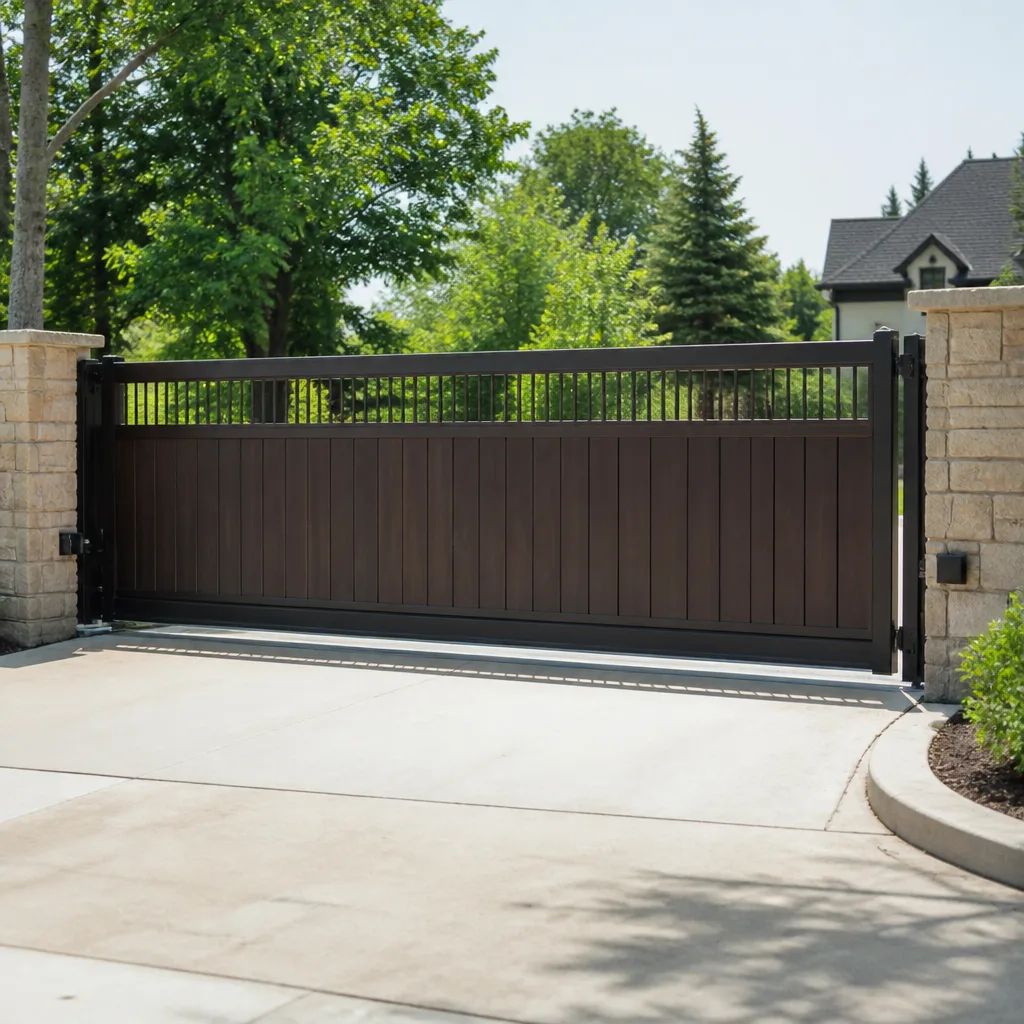 Sliding driveway gates
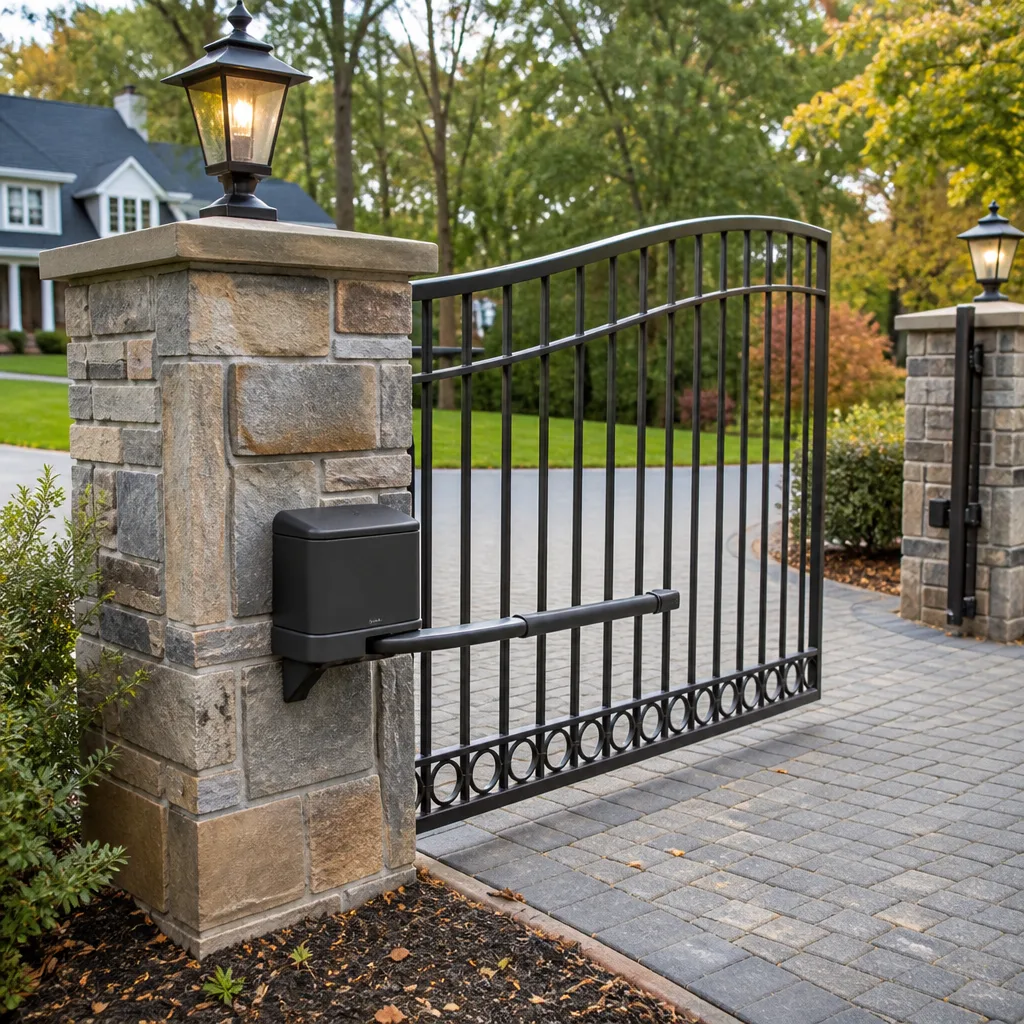 LiftMaster operators
Free on-site gate assessment - hinges, posts, and your LiftMaster or Nice gate operator checked before anything is quoted
The assessment is free and the quote is the invoice.
Get your free estimateGate Repair Maintenance Schedule: What to Do and When
Most gate maintenance guides tell you to lubricate the hinges twice a year and call it done. They rarely mention that lubricating the wrong type of hinge with the wrong product causes faster wear than no lubrication at all, or that a battery backup needs a different service clock than a loop detector. This guide replaces generic advice with a component-level schedule built for Evergreen’s actual seasons: dry summers, occasional winter rain, and a fall that buries gate tracks in leaves and debris. You’ll learn what to check each month, which lubricants belong on which drive type, and which tasks genuinely extend gate life versus the busywork that pads service invoices.
Styles & brands we work with
- Wrought iron
- Wood & steel frame
- Farm & ranch
- Sliding driveway gates
- LiftMaster operators
Quick Answer
A proper gate maintenance schedule in Evergreen means four seasonal inspections plus two specific component replacements on fixed intervals: batteries every 2-3 years, and lubricant application every 6 months using the correct product for your drive type. Monthly visual checks of the track, hinges, and safety sensors catch most problems before they become breakdowns. The full schedule below breaks down what to do and when, mapped to how Evergreen’s climate actually affects gate hardware.
Table of Contents
- Why Evergreen’s Climate Changes the Maintenance Calendar
- The Month-by-Month Maintenance Schedule
- Component-Specific Service Intervals That Actually Matter
- The Correct Lubricant for Every Gate Component
- How to Document Gate Performance So Failures Show Up Early
- Which Maintenance Tasks Extend Gate Life vs. Which Are Busywork
- Common Mistakes to Avoid
- When to Call a Professional
- Frequently Asked Questions
- The Bottom Line
Why Evergreen’s Climate Changes the Maintenance Calendar
Evergreen doesn’t punish gates with freeze-thaw cycles or salt air, so a lot of national maintenance advice simply doesn’t apply here. What Evergreen does have is a long dry season that dries out certain lubricants, a fall that packs leaf debris into tracks and hinge pockets, and winter rains that find their way into any seal that’s already cracked from summer UV exposure. A maintenance schedule written for Minnesota or coastal Florida misses what actually wears out gates in this climate.
The dry summer months are harder on rubber and plastic components than most people expect. Weather stripping around the gate frame, wire insulation near the operator, and the plastic gears inside some residential operators all become brittle when humidity stays low for months. By the time the first winter rain arrives, those hairline cracks are already there, and water intrusion finishes the job. That’s why the pre-rain inspection in October matters more than a mid-summer one.
Fall is the heaviest debris season in Evergreen. Deciduous trees drop leaves that collect in slide gate tracks, pile against the base of swing gate posts, and clog the drain holes in operator housings. Leaves hold moisture against metal surfaces and create a damp, acidic environment that accelerates rust even in a dry climate. A monthly track-clearing habit during October and November prevents most of the wheel and roller damage we see on service calls.
The winter rain season, while relatively mild, is when electrical problems surface. Moisture gets into limit switch housings, photo eye connections, and control board enclosures that were never properly sealed. If the gate worked fine all summer and suddenly faults after the first heavy rain, the problem usually traces back to a seal that degraded during the dry months. Scheduling a seal and gasket check in late September closes that gap.
We specialize exclusively in gates, so when we build a maintenance schedule for an Evergreen property, we’re building it around what this climate does to gate hardware specifically, not generic handyman advice. The calendar below reflects that.
The Month-by-Month Maintenance Schedule
Gate maintenance isn’t one annual task. It’s a rhythm of small checks timed to when specific components are most vulnerable. Here’s the month-by-month breakdown that works for Evergreen’s seasons. Most tasks take under 15 minutes, and none require special tools beyond a flashlight, a rag, and the right lubricant.
January: Post-Rain Electrical Check
- Open the operator housing and look for any moisture, condensation, or water staining. Dry anything damp with a clean rag.
- Test the gate’s full open and close cycle three times, listening for hesitation or changes in motor pitch.
- Check that the photo eyes are clean and aligned, especially if any rain splashed mud onto them.
- Verify the battery backup holds a charge by unplugging the operator briefly and running the gate once on battery.
January is when you catch water intrusion problems before they corrode terminals or short a control board. A damp operator housing left alone for a month turns into a much more expensive repair.
February: Hinge and Pivot Inspection
- With the gate in the closed position, lift each gate leaf slightly at the latch end. More than a quarter inch of play means a worn hinge or pivot bushing.
- Check hinge bolts for tightness. Use a wrench, not just your hand.
- Look for rust streaks running down from the hinge area. That indicates water sitting inside the joint.
- Lubricate only if needed, using the correct product from the lubricant guide below.
Swing gates in Evergreen tend to sag in winter if hinges were already marginal. Catching play early here prevents the gate from dragging on the ground later.
March: Track and Roller Service (Slide Gates)
- Clear the entire track of debris, leaves, and any gravel that winter rain pushed into it.
- Check rollers for flat spots, wobble, or cracked wheels. Spin each one by hand.
- Verify the track is still level. A gate that slows down or speeds up in one section often has a track sag.
- Lubricate rollers with a dry lubricant if the manufacturer recommends it, or leave them dry if they use sealed bearings.
Slide gates take the most abuse from debris, and March is when winter accumulation shows itself. A clean, level track is the single biggest factor in slide gate longevity.
April: Safety System Testing
- Test the photo eyes by placing an object in the beam path while the gate is closing. The gate should stop and reverse immediately.
- Test any safety edges or contact strips by pressing on them during a closing cycle. The gate should reverse.
- Check that warning lights on the gate or operator are functioning.
- Verify the auto-close timer works if your system has one.
Safety testing isn’t optional. UL 325 compliant operators require it after any repair or adjustment, and a monthly test catches failing safety devices before they create a liability issue.
May: Pre-Summer Lubrication
- Clean all pivot points, hinges, and the drive mechanism with a dry rag to remove old lubricant and grit.
- Apply the correct lubricant for your drive type, using the guide in the section below.
- Wipe away any excess. Over-lubrication attracts dust and creates an abrasive paste.
- Operate the gate three full cycles to distribute the lubricant evenly.
May’s lubrication is the most important one of the year. It happens before the dry season starts baking the components, and it gives the lubricant time to penetrate before summer heat arrives.
June: Operator and Electrical Inspection
- Check all wire connections inside the operator housing for tightness. Loose terminals cause intermittent faults.
- Look for heat discoloration on the control board or any scorched spots.
- Listen to the motor during operation. A grinding or whining noise indicates wear.
- Check the operator’s cooling vents for blockage. Summer heat kills operators faster than anything else.
Evergreen’s summer heat builds up inside operator housings, especially dark-colored ones in direct sun. An operator that runs hot in June fails in September.
July: Chain and Belt Tension Check
- For chain drive gates, check the chain tension. More than about half an inch of vertical deflection at the midpoint means it needs adjustment.
- For belt drive systems, look for fraying, cracks, or glazing on the belt surface.
- Check sprockets and pulleys for wear. Hooked or sharp teeth mean replacement is due.
- Verify the chain or belt is properly aligned and not rubbing against the housing.
Drive components wear consistently but fail suddenly. A July inspection catches the wear before the snap.
August: Hydraulic System Check (Hydraulic Gates Only)
- Check hydraulic fluid level if your system has a sight glass or dipstick. Low fluid usually means a leak somewhere.
- Look for oil stains or wet spots on hoses, fittings, and the pump assembly.
- Check hoses for cracks, bulges, or chafing against metal edges.
- Operate the gate and listen for cavitation or groaning from the pump.
Hydraulic gates are less common on residential properties in Evergreen but more common on commercial and estate gates. They’re also the most expensive to repair when neglected, which makes this August check worth doing.
September: Seal and Gasket Inspection
- Inspect every rubber seal, gasket, and weather strip on the operator housing, junction boxes, and any exposed electrical enclosures.
- Look for cracks, brittleness, or gaps where water could enter.
- Replace any seal that’s no longer pliable. A silicone caulk bead is a temporary fix; a replacement gasket is the permanent one.
- Verify drain holes in the bottom of housings are clear.
September is the most important month in the Evergreen maintenance calendar. This inspection creates the waterproof barrier that carries your gate system through winter rain season intact.
October: Debris Management
- Clear leaves and organic debris from the gate track, hinge pockets, and around the gate posts at least weekly.
- Trim any vegetation growing against or through the gate structure.
- Check that drainage around the gate area still flows away from posts and operator pads.
- Remove any debris that has collected on top of the operator housing.
October in Evergreen is when deciduous trees drop the most material. A weekly track clear during this month prevents most of the roller and wheel failures we see in November and December.
November: Final Post-Rain Verification
- After the first significant rain, open the operator housing and check for any moisture that got past the seals.
- Verify the gate still opens and closes smoothly on both manual and automatic operation.
- Check that safety devices still function after exposure to rain.
- Test the battery backup one more time.
This is the confirmation that your September seal work held. If moisture got in, you have time to fix it before the wetter part of the season.
December: Annual Full-System Review
- Walk through the entire maintenance calendar from the past year and note anything you skipped.
- Check the gate’s general alignment: gaps at the latch, tracking on the rails, sag at the hinges.
- Review your documentation log (see the section below) for patterns of wear or repeated issues.
- Decide what needs professional attention before the new year.
December is the documentation and planning month. It’s also when many Evergreen property managers schedule professional gate repair for anything they noticed during the year but deferred.
Component-Specific Service Intervals That Actually Matter
Different gate components wear at different rates, and using one blanket schedule for everything means some parts get checked too often while others get neglected. Here are the actual service intervals for the components that most commonly fail in Evergreen.
Battery Backup: Every 2-3 Years
Battery backup systems in gate operators typically last 2 to 3 years in Evergreen’s climate, where summer heat accelerates the chemical aging of lead-acid and gel-cell batteries. A battery that’s three years old may test fine at room temperature but drop voltage under load on a hot afternoon. Replace the battery before it fails, not after, because a dead backup battery means your gate is locked or open during a power outage, with no way to operate it.
Loop Detectors: Annual Testing, No Set Replacement Interval
Loop detectors, the sensors embedded in the pavement that detect a vehicle’s presence and hold the gate open, don’t have a fixed replacement clock. They fail from wire damage, lightning strikes, or moisture intrusion into the saw-cut where the loop wire lives. Test them annually by driving a vehicle over the loop and verifying the gate responds correctly. In Evergreen, loop failures often show up after winter rains have worked their way into saw cuts that were already cracked from summer heat expansion.
Limit Switches: Lubricate Every 6 Months, Replace on Symptom
Limit switches tell the operator when to stop the gate at its fully open and fully closed positions. They’re mechanical components that benefit from a light touch of contact cleaner or dry lubricant twice a year, timed to May and November. A limit switch that’s sticking or arcing will cause the gate to stop short, overtravel, or reverse unexpectedly. Replace it at the first sign of inconsistent stopping positions, not on a schedule.
Photo Eyes and Safety Edges: Monthly Visual Check, Annual Functional Test
Photo eyes need a monthly wipe-down to remove dust, spider webs, and rain splash that can block the beam and cause false faults. Safety edges, the pressure-sensitive strips on the leading edge of a gate, need an annual functional test under load. A safety edge that’s been sun-baked through an Evergreen summer may look fine but fail to register contact because the rubber has hardened.
Chain Drives: Lubricate Every 6 Months, Replace at 50% Elongation
A chain that has stretched to the point of significant elongation has already worn its sprockets. Lubricating a severely stretched chain extends neither the chain’s life nor the sprocket’s, and it often masks the noise of an imminent failure. Check the tension and look at the sprocket teeth; if they look like shark fins rather than symmetrical points, the drive is due for replacement.
Gate Hardware (Hinges, Rollers, Wheels): Inspect Monthly, Lubricate Every 6 Months
Hinges on a swing gate and rollers on a slide gate are the highest-cycle components on the entire system. They need a monthly visual check for play, cracking, or visible wear, and a lubrication twice a year using the correct product. But the inspection matters more than the lubrication: by the time a hinge is stiff enough to make noise, the gate has likely already sagged and shifted its weight onto other components.
The Correct Lubricant for Every Gate Component
Lubricants are not interchangeable. Using the wrong product on a chain drive, a screw drive, or a hydraulic fitting causes accelerated wear that often looks like normal aging. We see this in Evergreen regularly: a homeowner sprays white lithium grease on a chain that should get a penetrating chain lubricant, and six months later the chain is caked in a gritty paste that eats sprockets. Here’s the actual breakdown of what goes where.
Chain Drive Gates: Dry-Film or Penetrating Chain Lube
Chains need a lubricant that penetrates into the pins and rollers, then dries to a film that doesn’t attract dust. Use a motorcycle-grade chain lubricant or a dry-film penetrating product. Never use grease, which holds dirt and creates the abrasive paste mentioned above. Apply sparingly to the inside of the chain while rotating it slowly, then wipe the outside of the chain. The goal is lubrication inside the joints, not a coating on the outside.
Screw Drive Gates: Specialty Screw Drive Grease
Screw drive operators use a specific low-temperature grease designed for the carriage that travels along the threaded shaft. The wrong grease becomes sticky in cold weather and too thin in summer heat. Most screw drive manufacturers, including LiftMaster and Linear, recommend a specific product, and using it matters. A screw drive that’s been greased with axle grease or silicone will often bind in the cold morning air of an Evergreen winter and free itself by afternoon, which confuses the limit switches.
Hydraulic Gates: Check Manufacturer Spec, Never Mix Fluids
Hydraulic systems, common on FAAC and BFT commercial gates, use specific hydraulic fluid types. Never top off a hydraulic reservoir with whatever fluid is on hand, because incompatible fluids break down seals and cause pump cavitation. Check the manufacturer’s specification for your particular model. Most systems use an ISO-rated hydraulic oil, but the viscosity and additive package vary, and mixing is a costly mistake.
Hinges and Pivot Points: Dry Lubricant or Silicone Spray
Gate hinges and pivots should get either a dry-film lubricant or a silicone spray. Avoid petroleum-based greases on exposed hardware, because they trap dust and turn into a grinding compound during Evergreen’s dry months. Silicone spray displaces moisture, which is useful for winter rain protection, but it doesn’t last as long as a dry-film product. Reapply every six months, timed to May and November.
Sealed Bearings: No Lubricant, Replace When Noisy
Many slide gate rollers use sealed bearings that are lubricated for life at the factory. Adding lubricant to these does nothing except attract dirt and ruin the seal. If a sealed bearing starts making noise, the correct action is replacement, not lubrication. This is the most common lubrication mistake we see in Evergreen, and it directly shortens roller life.
Electrical Contacts and Connections: Non-Conductive Contact Cleaner
Limit switches, relay contacts, and other electrical connections get a light spray of non-conductive electrical contact cleaner, not a lubricant. Contact cleaner removes oxidation and corrosion without leaving a residue that could cause arcing. Apply it once a year in June, when the dry season has had a few months to accumulate dust and oxidation on exposed electrical surfaces.
How to Document Gate Performance So Failures Show Up Early
Most gate failures don’t happen suddenly. They build over months: the gate gets slightly slower, the motor pitch changes, the closing force increases. But without records, those gradual changes are invisible, and the first sign of trouble is a full breakdown. Documenting gate performance is the difference between a $200 adjustment and a $1,500 motor replacement.
Keep a simple log in a notebook or a notes app on your phone. After each monthly check, record three things:
- Cycle time: How long does the gate take to open fully? Time it once a month with a stopwatch. A gradual increase in cycle time indicates increasing friction, a failing capacitor, or a motor losing power.
- Motor sound: Describe the motor noise in plain words: “smooth hum,” “grinding at midpoint,” “whine on startup.” You’ll be able to compare notes from month to month.
- Stopping behavior: Does the gate stop cleanly at the limit, or does it slow down, hesitate, or overshoot? Note any change.
Over a year, this log reveals patterns that a single inspection never catches. A motor that sounds progressively louder from June through November is telling you it’s failing, even if it still works. A gate that slows down only after rain is showing you a seal problem before water kills the control board. When you call a gate technician, that log gives them data that shortens diagnosis from hours to minutes.
For commercial properties in Evergreen with multiple gates, document each gate separately. Gates on the same property wear differently depending on their sun exposure, debris load, and how often they cycle. An east-facing gate that runs 200 cycles a day needs different service than a west-facing one that runs 30. The documentation is what makes that visible.
Which Maintenance Tasks Extend Gate Life vs. Which Are Busywork
Not all maintenance is created equal. Some tasks genuinely extend the life of your gate system, and some are repeat business dressed up as maintenance. The difference matters, especially in Evergreen, where a generic service contract from a generalist company often includes tasks that have no basis in how gates actually fail here.
Tasks That Genuinely Extend Gate Life
- Track and roller cleaning: Debris is the single biggest killer of slide gates in Evergreen, especially in fall. Clearing the track is the highest-value maintenance task on any slide gate.
- Correct lubrication: Using the right product on the right component extends chain, screw drive, and hinge life measurably. Using the wrong product shortens it.
- Battery replacement: A 2-3 year battery replacement cycle prevents both stuck gates and control board damage from voltage drops during outages.
- Seal inspection and replacement: September seal work prevents the winter water intrusion that kills control boards and corrodes wiring.
- Safety device testing: Monthly photo eye checks and annual safety edge tests keep the gate compliant and prevent accidents.
Tasks That Are Mostly Busywork
- Monthly “full lubrication” packages: If a service company lubricates every single moving part every single month, they’re either over-lubricating, which attracts dust, or they’re doing it for show. Six-month intervals are correct for most components.
- Replacing parts on a schedule that doesn’t wear on a schedule: Loop detectors, limit switches, and safety edges fail from conditions, not age. Replacing a healthy part before failure is wasteful.
- Washing the gate itself: Cosmetic cleaning doesn’t extend mechanical life. A dirty gate works the same as a clean one, and power washing can actually force water into seals.
- Adjusting chain tension every visit: A chain that needs constant tensioning either has a failing tensioner or a severely stretched chain. Adjusting it repeatedly is treating a symptom.
- Software updates on residential operators: Most residential gate operators don’t receive updates that affect function. This is typically a justification for a service call.
The repair-first philosophy applies to maintenance too. We tell Evergreen customers when a check isn’t worth doing. If a component doesn’t wear on a fixed schedule, we don’t put it on one. If a task won’t prevent a failure, we say so. The maintenance calendar above is built on what actually matters here, not what creates billable hours.
Common Mistakes to Avoid
- Using white lithium grease on everything: White lithium is a general-purpose grease that’s wrong for chains, wrong for screw drives, and wrong for exposed hardware in Evergreen’s dusty summers. It dries into a hard varnish that accelerates wear.
- Lubricating sealed bearings: Adding lubricant to a sealed bearing ruins the seal and attracts dirt. Sealed bearings get replaced when they fail, not lubricated.
- Skipping the September seal check: The single most common cause of winter electrical failures in Evergreen is a cracked seal that let rain into the operator housing. A five-minute September inspection prevents most of these calls.
- Ignoring a slowing gate: A gate that’s a second slower than it used to be is telling you something. Waiting until it stops entirely turns a diagnosis into a replacement.
- Testing safety devices only when something breaks: Safety devices fail silently. The photo eye can be misaligned for months before you find out because a vehicle or a person triggered it but the gate didn’t stop. Monthly checks are the only way to know.
- Burying the operator housing in landscaping: In Evergreen, operators and electrical boxes get surrounded by fast-growing vegetation. Plants hold moisture against the housing and block ventilation, shortening the life of every component inside.
- Using a pressure washer near the gate track: Pressure washing forces water past seals and into bearings, and it packs debris deeper instead of clearing it. A broom or leaf blower does the job without the damage.
When to Call a Professional
Some maintenance tasks are safe and straightforward for any property owner. Others cross into territory where the risk of injury, or of making the problem worse, outweighs any savings. Call a professional when the gate slams or moves faster than it should, when the operator hums but the gate doesn’t move, when you hear grinding from inside the operator housing, or when safety devices fail a functional test. Anything involving the operator’s wiring or power supply is also a professional job: a strong understanding of the danger zones on an electric gate system is not a DIY skill. Atlas Gate Repair offers free estimates in Evergreen, with a repair-first approach that tells you honestly whether a fix or a replacement makes sense. Call (833) 589-9356. We answer 24/7. Fast dispatch from 7am to 7pm, Sunday through Friday.
Frequently Asked Questions
Lubricate chain drives, hinges, and pivot points every six months, timed to May and November. Evergreen’s dry summers and wet winters make a twice-yearly schedule the right balance between protection and over-lubrication. Use a dry-film or penetrating lubricant for hardware, never a thick grease. Call (833) 589-9356 for specific lubricant recommendations for your gate model, and we’ll help you identify what your system actually needs.
Clearing the track of debris, especially during October and November, is the single most important task for slide gates in Evergreen. Leaves, gravel, and organic material in the track cause premature roller wear and gate misalignment. A weekly track clear during fall prevents most slide gate service calls we see in this region.
Gate opener backup batteries typically last 2 to 3 years in Evergreen, where summer heat accelerates battery aging. We recommend replacing the battery before the three-year mark, even if it tests fine, because a degraded battery often fails under load during a power outage. For electric gate repair in Evergreen, our technicians check battery health as part of any diagnosis.
No. Most Evergreen properties are well served by doing the monthly visual checks yourself and scheduling professional service only when you find something wrong or want an annual full-system review. We don’t sell maintenance contracts, because most gate components don’t need a fixed service interval. A one-time professional inspection once a year, paired with your own monthly checks, catches problems as well as any plan.
Before winter rains start, check every seal and gasket on the operator housing and electrical enclosures, verify that drain holes are clear, and test the battery backup. The September seal check in the calendar above is the most important pre-rain task in Evergreen. Catching a cracked seal before the first rain prevents the water intrusion that kills control boards.
Yes. A simple log of cycle time, motor sound, and stopping behavior gives any technician the data to diagnose problems faster and to catch failures before they become breakdowns. For Evergreen property managers with multiple gates, documentation per gate reveals differences in wear that would otherwise be invisible. The documentation section above tells you exactly what to record.
Maintenance needs depend more on the drive type and installation quality than on the brand. That said, we work with systems from FAAC, BFT, Linear, and Viking, among others, and the maintenance requirements we see are broadly similar across brands that use the same drive technology. A chain drive needs chain care whether it’s a residential or commercial unit, and a hydraulic system needs fluid care regardless of the name on the housing.
Replace a gate when the structural components, meaning the posts, frame, or main structure, are compromised and repairing them costs more than 60% of a new gate’s installed price. Repair is usually the right call when the problem is in the operator, hinges, rollers, or other replaceable hardware. We always give Evergreen customers the honest math on both options rather than pushing toward replacement. Call (833) 589-9356 for a free estimate on repair versus replacement.
The Bottom Line
A gate maintenance schedule that works in Evergreen is built around this climate’s actual seasons: dry summers that bake seals, a debris-heavy fall that clogs tracks, and winter rains that find every crack. The calendar above gives you a month-by-month rhythm of small checks that prevent the big failures, a component-level guide to what wears and when, and a clear-eyed look at which tasks matter. Do the monthly visual checks, lubricate correctly twice a year, replace batteries every 2 to 3 years, and check seals every September. Document what you see. When something’s outside your comfort zone, call a gate specialist who knows your system rather than a generalist who’s learning on it. Call (833) 589-9356. We answer 24/7. Fast dispatch from 7am to 7pm, Sunday through Friday.
Written by the team at Atlas Gate Repair, serving Evergreen since 2017.
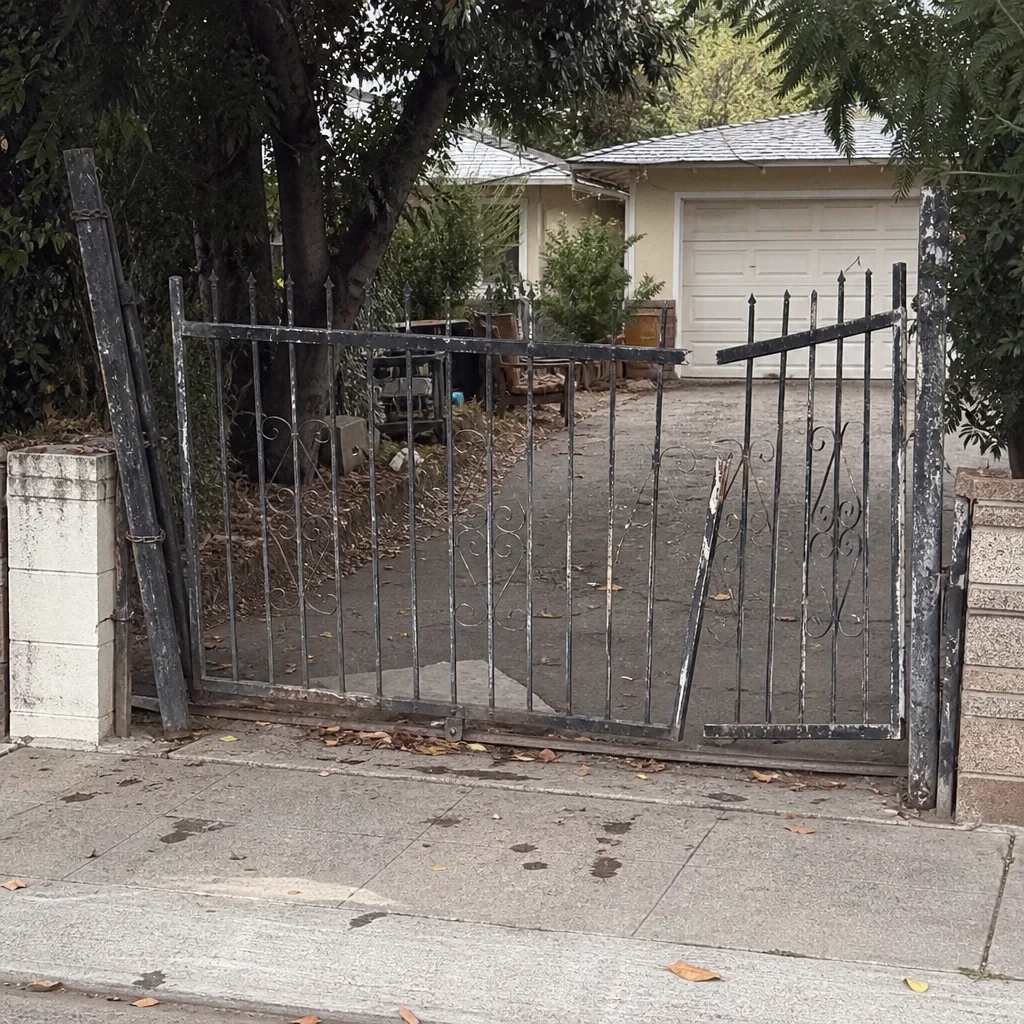
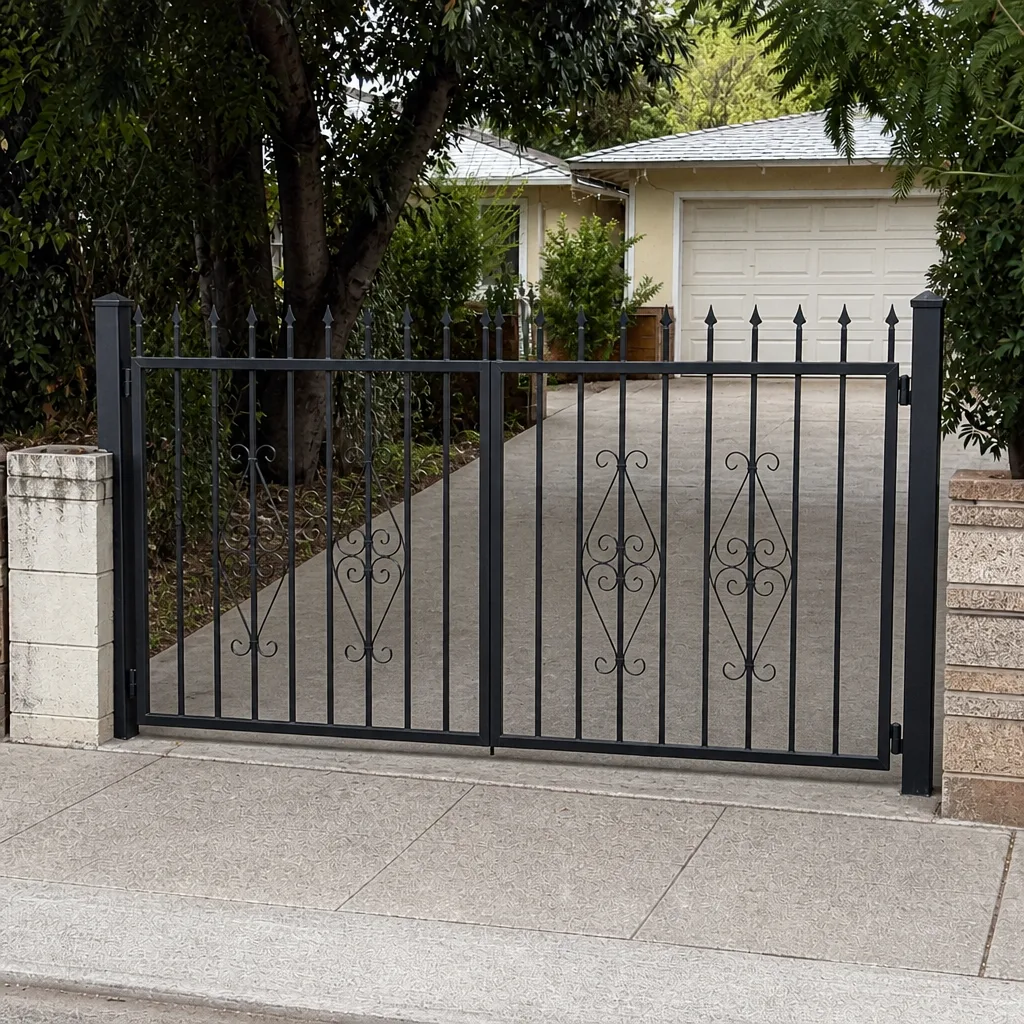
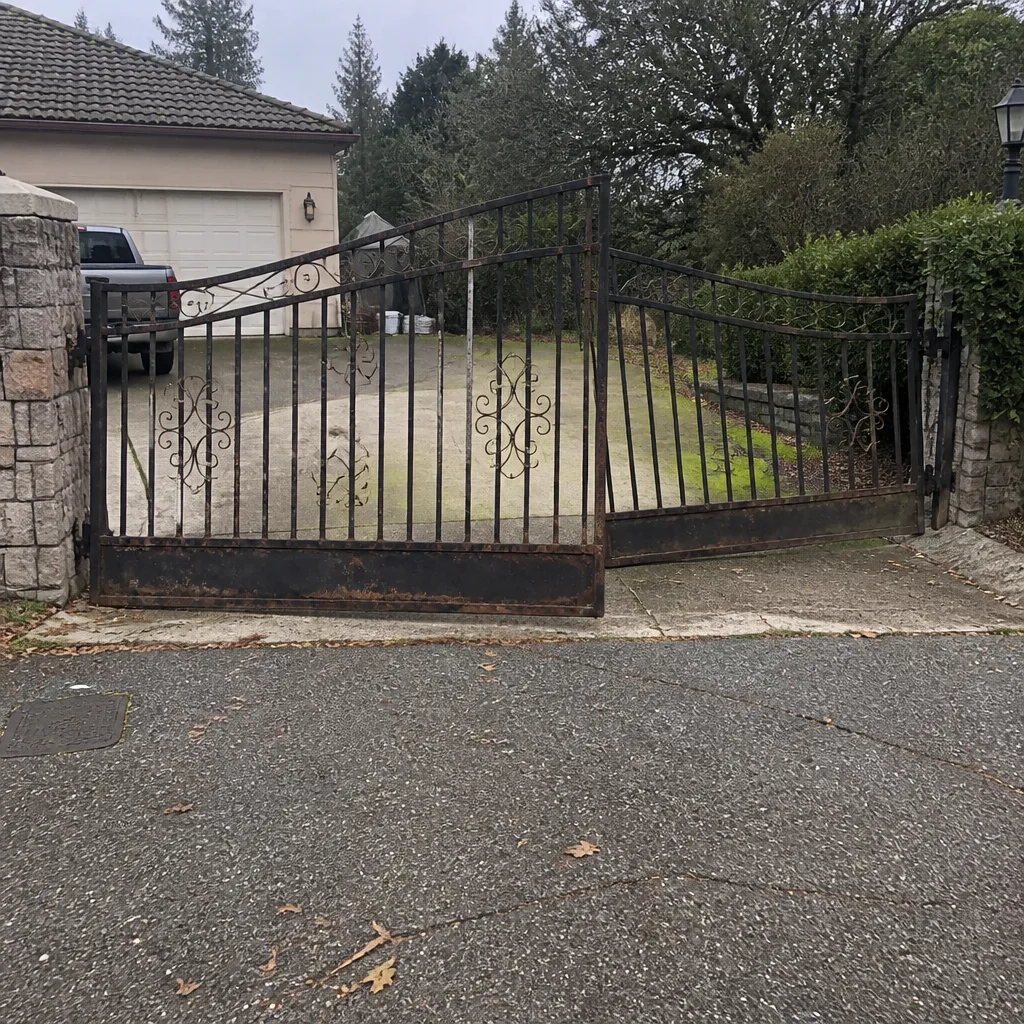
See the difference
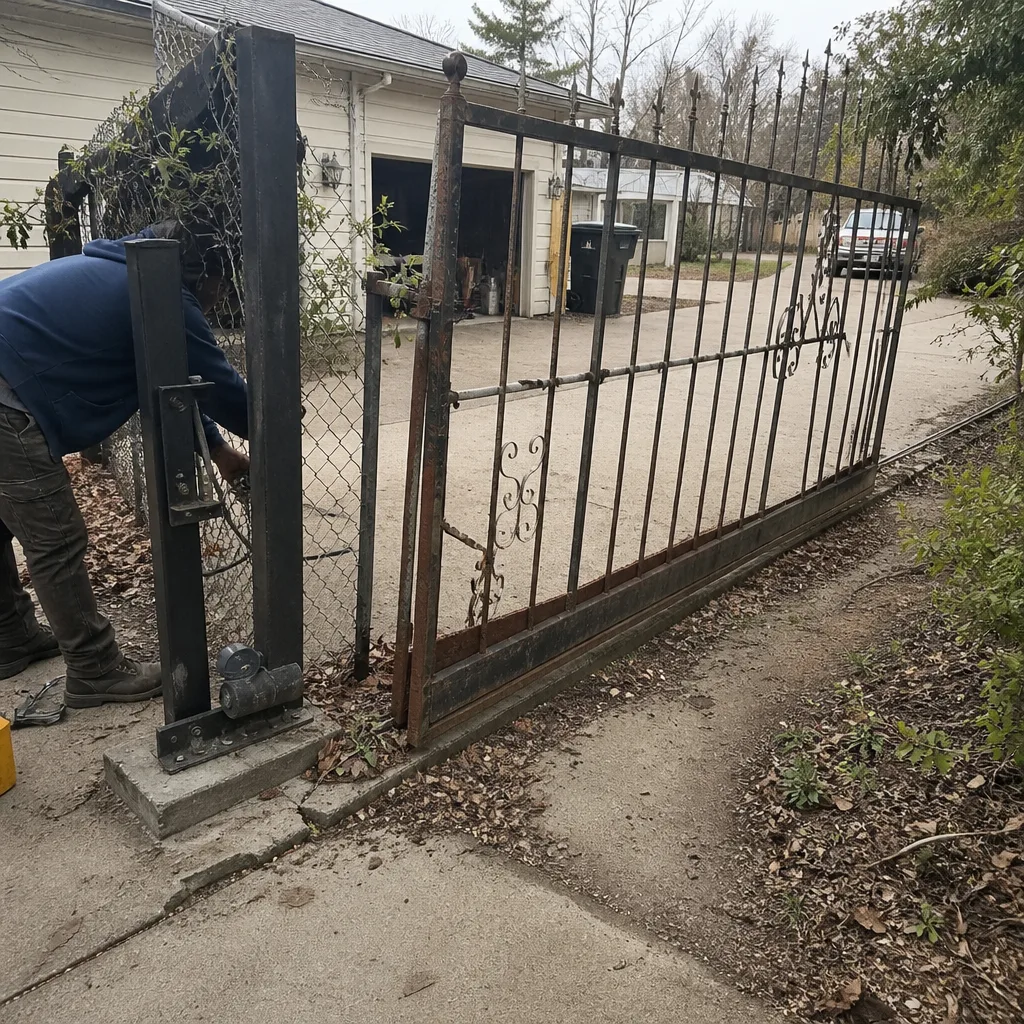 Before
 After
 Before
 After
 Before
 After